








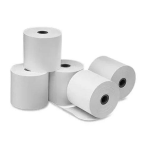
Why the Right Thermal Printer Roll Matters
A thermal printer roll may seem like a basic supply, but it has a direct effect on printing quality and daily business operations. Retail stores, restaurants, cafes, pharmacies, hotels, and service businesses depend on thermal rolls for receipts, orders, tickets, and payment records.
Using poor-quality or incorrectly sized paper can cause faded text, paper jams, unclear barcodes, and unnecessary printer problems. The right roll helps produce sharp printing and keeps the printer running smoothly during busy hours.
Good-quality paper can also reduce interruptions. Staff can focus on serving customers instead of fixing feeding problems or replacing damaged paper.
How a Thermal Printer Roll Works
A thermal printer roll is made from paper with a special heat-sensitive coating. Unlike standard printers, thermal printers do not need ink cartridges, ribbons, or toner.
The print head creates heat in selected areas. When this heat touches the coated surface, the paper changes colour and forms text, numbers, barcodes, or simple graphics.
Main Benefits of Thermal Printing
Thermal printing offers several practical advantages:
- Fast receipt printing
- Clear text and barcodes
- Quiet operation
- No ink or toner required
- Simple roll replacement
- Lower daily maintenance
- Compact printer setup
These benefits make thermal printers useful for businesses that process many transactions every day.
For more information about different paper options, read our thermal paper roll guide to understand sizes, quality, and storage requirements.
How to Choose the Right Thermal Printer Roll
Not every thermal printer roll works with every printer. Before buying, businesses should check the printer specifications and measure the paper currently being used.
Check the Roll Width
Width is one of the most important measurements.
Common thermal roll widths include:
- 57mm
- 80mm
- Specialist sizes for specific devices
Many POS receipt printers use 80mm paper, while compact card terminals often use narrower rolls.
A roll that is too wide may not fit inside the printer. A roll that is too narrow may not print correctly or may move unevenly.
Check the Roll Diameter
The outside diameter shows how large the complete roll is.
A larger roll contains more paper and may need to be replaced less often. However, your printer must have enough internal space to hold it.
Always check the maximum supported diameter before ordering in bulk.
Check the Core Size
The core is the tube in the centre of the roll.
Some printers accept different core sizes, while others have specific requirements. Checking the core helps prevent loading and feeding problems.
Why Thermal Paper Quality Is Important
The quality of a thermal printer roll can affect both printing performance and printer maintenance.
Poor-quality paper may cause:
- Faded receipts
- Uneven text
- Difficult-to-scan barcodes
- Excess paper dust
- Frequent jams
- Faster fading
Good thermal paper should produce dark, readable printing from the beginning of the roll to the end.
Smooth paper also creates less dust. This can help keep the printer head and internal parts cleaner over time.
Common Uses of Thermal Printer Rolls
Thermal rolls are used across many industries because they provide fast and convenient printing.
Retail Stores
Retail businesses use thermal rolls for customer receipts, returns, payment records, and POS transactions.
Fast printing can help keep checkout lines moving during busy periods.
Restaurants and Cafes
Restaurants may use thermal printers for customer receipts, kitchen orders, takeaway tickets, and payment records.
Clear printing helps staff read orders accurately and reduces confusion.
Payment Terminals
Card terminals often use smaller thermal rolls to print payment receipts.
Keeping spare rolls nearby can prevent delays when paper runs out unexpectedly.
Other common uses include parking tickets, pharmacy receipts, queue tickets, delivery records, hotel receipts, warehouse labels, and transaction slips.
You can also explore our POS printer guide for more useful information about receipt printers and business printing equipment.
How to Store Thermal Printer Rolls
Even a high-quality thermal printer roll can lose print quality if it is stored incorrectly.
Keep thermal rolls away from:
- Direct sunlight
- High temperatures
- Moisture
- Oils
- Harsh chemicals
- Heavy pressure
Store unused paper in a cool, dry place and leave it in the original packaging until required.
Heat and sunlight can damage the thermal coating and cause printed information to fade more quickly.
Frequently Asked Questions About Thermal Printer Rolls
Does a Thermal Printer Roll Need Ink?
No. Thermal printers use heat to create text directly on coated thermal paper, so ink and toner are not required.
What Size Thermal Printer Roll Do I Need?
Check your printer manual or existing roll. You need to confirm the width, outside diameter, and core size.
Why Does Thermal Paper Fade?
Thermal printing can fade when exposed to heat, direct sunlight, oils, moisture, or certain chemicals.
Can Regular Paper Be Used in a Thermal Printer?
No. Direct thermal printers require heat-sensitive thermal paper. Standard paper will not produce the required image.
How Do I Know If Thermal Paper Is Good Quality?
Good paper should provide dark, sharp printing, feed smoothly through the printer, and create little paper dust.
Key Takeaways
Choosing the correct thermal printer roll can improve print quality, reduce paper jams, and make everyday business operations more reliable.
Always check width, diameter, core size, and paper quality before ordering.
Good storage is also important. Keep rolls away from heat, sunlight, and moisture to protect the thermal coating.
For businesses that print receipts every day, investing in the correct thermal roll is a simple way to reduce interruptions, improve readability, and keep customer transactions running smoothly.
For more practical information, explore our related guide to learn about receipt printing, paper sizes, and choosing the right supplies for your business.
