








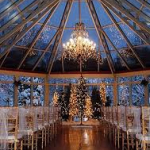
Planning a successful event starts with choosing the right event venue. Whether you're organizing a wedding, corporate meeting, birthday celebration, anniversary, charity fundraiser, or holiday party, the venue sets the tone for the entire experience. It influences the atmosphere, guest comfort, logistics, and even the memories people take home after the event.
With so many venue options available, selecting the perfect location may seem overwhelming. Understanding what to look for can help you make a confident decision that fits your event goals, budget, and guest expectations.
What Is an Event Venue?
An event venue is a location designed to host gatherings of various sizes and purposes. Venues range from elegant banquet halls and hotels to outdoor gardens, wineries, conference centers, historic buildings, and private estates. Some venues specialize in weddings, while others are built to accommodate business conferences, trade shows, family reunions, or community events.
Many modern venues also offer event planning assistance, catering services, audiovisual equipment, and customizable layouts, making the planning process much easier.
Why Choosing the Right Event Venue Matters
The venue is one of the biggest factors in creating a memorable event. A well-chosen location provides a welcoming environment where guests can relax, socialize, and enjoy the occasion.
The right venue also improves organization by providing adequate space, professional staff, convenient amenities, and reliable facilities. When everything runs smoothly, both hosts and guests have a better overall experience.
Consider the Purpose of Your Event
Every event has different requirements, so start by identifying your primary goal.
For example:
- Weddings often require ceremony and reception spaces.
- Corporate meetings benefit from conference rooms with presentation technology.
- Birthday parties may need entertainment areas or dance floors.
- Fundraisers often require flexible seating and room for auctions or presentations.
- Holiday celebrations typically need open spaces for dining and socializing.
Matching the venue to your event type ensures a better experience for everyone attending.
Select a Convenient Location
Location is one of the first things guests notice. Choose an event venue that is easy to find and accessible by major roads or public transportation.
If guests are traveling from outside the area, look for venues near hotels, airports, or local attractions. Convenient parking is another important feature that can improve the overall guest experience.
A central location encourages higher attendance and reduces travel-related stress.
Choose the Right Venue Size
Before booking, estimate your guest count as accurately as possible.
A venue that's too small can feel crowded, while one that's too large may lack energy and make the event appear under-attended.
Ask venue staff about seating capacities for different room layouts, including banquet-style dining, theater seating, classroom arrangements, or cocktail receptions.
Selecting the proper size helps create a comfortable atmosphere throughout the event.
Review the Amenities
Many event venues include valuable amenities that simplify planning and reduce additional expenses.
Common amenities include:
- Tables and chairs
- Parking facilities
- High-speed Wi-Fi
- Audio and video equipment
- Dance floor
- Stage and lighting
- Bridal or dressing suites
- Climate control
- Outdoor ceremony areas
- Accessible entrances and restrooms
Knowing exactly what's included helps you avoid unexpected rental costs later.
Set a Realistic Budget
Your venue is likely to be one of your largest event expenses. Before signing a contract, request a detailed pricing breakdown.
Some venues include setup, cleanup, staffing, furniture, and basic décor in their rental fee. Others charge separately for these services.
Always ask about:
- Deposit requirements
- Cancellation policies
- Overtime fees
- Security deposits
- Additional service charges
Understanding the complete cost helps you stay within budget while avoiding surprises.
Visit the Venue Before Booking
Photos can be helpful, but visiting the venue in person provides a much better understanding of the space.
During your tour, pay attention to:
- Cleanliness
- Lighting
- Parking availability
- Seating arrangements
- Restroom condition
- Accessibility
- Outdoor areas
- Staff professionalism
- Overall maintenance
Walking through the venue also allows you to visualize decorations, guest flow, and entertainment setups.
Ask About Vendor Flexibility
Some venues allow you to hire any caterer, photographer, florist, or entertainment provider you prefer. Others maintain exclusive partnerships with approved vendors.
If you've already selected vendors, confirm they can work at the venue before making your reservation.
Flexible vendor policies often provide greater customization and better pricing options.
Indoor vs. Outdoor Event Venues
Both indoor and outdoor venues offer unique benefits.
Indoor venues provide weather protection, climate control, and reliable comfort throughout the year. They are ideal for conferences, formal dinners, and winter celebrations.
Outdoor venues create beautiful natural backdrops for weddings, family gatherings, and seasonal events. Gardens, vineyards, parks, and waterfront locations are especially popular during spring and summer.
If planning an outdoor event, always ask whether the venue has an indoor backup plan in case of bad weather.
Read Reviews and Testimonials
Customer reviews provide valuable insights into a venue's quality and service.
Look for feedback regarding:
- Staff communication
- Event coordination
- Food quality
- Cleanliness
- Parking convenience
- Professionalism
- Guest satisfaction
Consistently positive reviews often indicate dependable service and a better overall experience.
Book Early for the Best Dates
Popular event venues are often reserved months in advance, especially during wedding season and major holidays.
Booking early gives you access to your preferred date and provides plenty of time to organize catering, decorations, entertainment, invitations, and other important details.
Early planning also reduces stress as your event approaches.
Questions to Ask Before Booking an Event Venue
Before signing any agreement, ask the venue manager these important questions:
- What is included in the rental fee?
- How many guests can the venue accommodate?
- Are there preferred or required vendors?
- Is parking available for all guests?
- What happens if the event runs longer than scheduled?
- Is event insurance required?
- Are there any decoration restrictions?
- What is the cancellation policy?
These questions help ensure there are no unexpected issues on your event day.
Final Thoughts
Choosing the perfect event venue near me is one of the most important decisions you'll make when planning any celebration or business gathering. A beautiful, well-equipped venue enhances the guest experience, supports smooth event operations, and creates unforgettable memories.
Take the time to compare locations, visit potential venues, review contracts carefully, and consider your guests' needs. With thoughtful planning and the right venue, your event can be enjoyable, organized, and truly memorable from beginning to end.
