







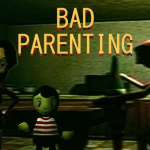
Store management games have always held a unique appeal. The thrill of building a business from the ground up, strategizing to attract customers, and optimizing every shelf for maximum profit is strangely satisfying. But what happens when you throw kids into the mix? That’s where the wonderfully chaotic game, Bad Parenting comes in.
This isn't your typical, squeaky-clean supermarket simulator. Instead, imagine managing a store filled with unpredictable children, each with their own… unique quirks and desires. This article delves into the surprisingly addictive world of Bad Parenting and how to best navigate its pandemonium-filled aisles.
Introduction: Why Bad Parenting Stands Out in the Crowd
Plenty of store management games promise hours of strategic gameplay. However, many can fall into the trap of feeling repetitive and predictable. Bad Parenting sets itself apart with its charmingly absurd premise and unpredictable events. Forget meticulously arranging vegetables – here, you’re dealing with temper tantrums, spilled juice boxes, and the occasional runaway toddler.
The game provides a refreshing spin on the genre, offering a lighthearted, humorous take on the challenges of retail. It's a game that embraces the chaos, rewarding players who can think on their feet and adapt to the ever-changing demands of their miniature customers.
Gameplay: Embracing the Madness of Minors
At its core, Bad Parenting is about managing a store, stocking shelves, and keeping customers happy. But the "customers" are children, and their happiness is a fickle thing. Here’s a breakdown of the gameplay loop:
Stocking Shelves: Your primary task is keeping the shelves stocked with the items the kids crave. From candy and toys to more questionable goods (we're looking at you, slime!), you need to anticipate demand and ensure you have enough product on hand. Order new stock regularly, being mindful of your budget and storage space.
Dealing with Demands: These aren't your average shoppers. Kids have short attention spans, specific cravings, and a tendency to throw tantrums when they don't get their way. Keep an eye on their happiness levels (represented by adorable, yet increasingly frantic, little faces) and try to fulfill their needs as quickly as possible.
Managing Mini-Mishaps: Prepare for the unexpected! Spilled drinks, crying fits, and kids running amok are par for the course. Quickly clean up messes to prevent accidents and soothe upset children before they escalate into full-blown meltdowns. Ignoring these problems can lead to a decline in overall store happiness and, ultimately, lower profits.
Upgrading and Expanding: As you earn money, you can invest in upgrades to improve your store. This could mean adding new shelves, hiring assistants to help with tasks, or introducing attractions to keep the kids entertained (think bouncy castles and ball pits – the more chaotic, the better!).
Special Events: The game throws in special events and challenges to keep you on your toes. These might include sudden surges in demand for specific products, unexpected accidents, or even the arrival of particularly troublesome customers. Successfully navigating these events can yield significant rewards.
The key to Bad Parenting is prioritization. You’ll constantly be juggling multiple tasks, deciding which fire to put out first. Do you restock the candy aisle before a child throws a tantrum? Or do you clean up the spilled juice before someone slips? These are the decisions that define your success (or glorious failure) in this wonderfully chaotic world.
Tips and Tricks: Taming the Toddler Tycoon
While Bad Parenting embraces the chaos, that doesn't mean you can't employ strategies to stay afloat (and maybe even turn a profit). Here are a few tips to help you manage the madness:
Observe and Anticipate: Pay attention to what items are flying off the shelves and what the kids are demanding. This will help you anticipate future needs and stock accordingly.
Prioritize Happiness: Happy customers spend more money. Focus on keeping the kids happy by fulfilling their needs and resolving problems quickly.
Invest Wisely: Choose upgrades that will have the biggest impact on your store's efficiency and profitability. Hiring assistants can be a game-changer, freeing you up to focus on more critical tasks.
Learn from Your Mistakes: Don't be afraid to experiment with different strategies and see what works best. Even failures can be valuable learning experiences.
Embrace the Absurdity: Remember, Bad Parenting is meant to be fun. Don't take it too seriously and enjoy the ridiculousness of the situation.
Conclusion: A Hilariously Addictive Experience
Bad Parenting offers a unique and entertaining take on the store management genre. Its chaotic gameplay, charming visuals, and unpredictable events provide a refreshing alternative to more traditional simulations. While it may not be the most realistic depiction of parenting (thankfully!), it's a hilariously addictive experience that will keep you coming back for more.
So, if you're looking for a store management game that embraces the chaos and doesn't shy away from the absurd, give Bad Parenting a try. Just be prepared to embrace the madness and laugh along the way. You might just find yourself enjoying the pandemonium more than you expected.
This isn't your typical, squeaky-clean supermarket simulator. Instead, imagine managing a store filled with unpredictable children, each with their own… unique quirks and desires. This article delves into the surprisingly addictive world of Bad Parenting and how to best navigate its pandemonium-filled aisles.
Introduction: Why Bad Parenting Stands Out in the Crowd
Plenty of store management games promise hours of strategic gameplay. However, many can fall into the trap of feeling repetitive and predictable. Bad Parenting sets itself apart with its charmingly absurd premise and unpredictable events. Forget meticulously arranging vegetables – here, you’re dealing with temper tantrums, spilled juice boxes, and the occasional runaway toddler.
The game provides a refreshing spin on the genre, offering a lighthearted, humorous take on the challenges of retail. It's a game that embraces the chaos, rewarding players who can think on their feet and adapt to the ever-changing demands of their miniature customers.
Gameplay: Embracing the Madness of Minors
At its core, Bad Parenting is about managing a store, stocking shelves, and keeping customers happy. But the "customers" are children, and their happiness is a fickle thing. Here’s a breakdown of the gameplay loop:
Stocking Shelves: Your primary task is keeping the shelves stocked with the items the kids crave. From candy and toys to more questionable goods (we're looking at you, slime!), you need to anticipate demand and ensure you have enough product on hand. Order new stock regularly, being mindful of your budget and storage space.
Dealing with Demands: These aren't your average shoppers. Kids have short attention spans, specific cravings, and a tendency to throw tantrums when they don't get their way. Keep an eye on their happiness levels (represented by adorable, yet increasingly frantic, little faces) and try to fulfill their needs as quickly as possible.
Managing Mini-Mishaps: Prepare for the unexpected! Spilled drinks, crying fits, and kids running amok are par for the course. Quickly clean up messes to prevent accidents and soothe upset children before they escalate into full-blown meltdowns. Ignoring these problems can lead to a decline in overall store happiness and, ultimately, lower profits.
Upgrading and Expanding: As you earn money, you can invest in upgrades to improve your store. This could mean adding new shelves, hiring assistants to help with tasks, or introducing attractions to keep the kids entertained (think bouncy castles and ball pits – the more chaotic, the better!).
Special Events: The game throws in special events and challenges to keep you on your toes. These might include sudden surges in demand for specific products, unexpected accidents, or even the arrival of particularly troublesome customers. Successfully navigating these events can yield significant rewards.
The key to Bad Parenting is prioritization. You’ll constantly be juggling multiple tasks, deciding which fire to put out first. Do you restock the candy aisle before a child throws a tantrum? Or do you clean up the spilled juice before someone slips? These are the decisions that define your success (or glorious failure) in this wonderfully chaotic world.
Tips and Tricks: Taming the Toddler Tycoon
While Bad Parenting embraces the chaos, that doesn't mean you can't employ strategies to stay afloat (and maybe even turn a profit). Here are a few tips to help you manage the madness:
Observe and Anticipate: Pay attention to what items are flying off the shelves and what the kids are demanding. This will help you anticipate future needs and stock accordingly.
Prioritize Happiness: Happy customers spend more money. Focus on keeping the kids happy by fulfilling their needs and resolving problems quickly.
Invest Wisely: Choose upgrades that will have the biggest impact on your store's efficiency and profitability. Hiring assistants can be a game-changer, freeing you up to focus on more critical tasks.
Learn from Your Mistakes: Don't be afraid to experiment with different strategies and see what works best. Even failures can be valuable learning experiences.
Embrace the Absurdity: Remember, Bad Parenting is meant to be fun. Don't take it too seriously and enjoy the ridiculousness of the situation.
Conclusion: A Hilariously Addictive Experience
Bad Parenting offers a unique and entertaining take on the store management genre. Its chaotic gameplay, charming visuals, and unpredictable events provide a refreshing alternative to more traditional simulations. While it may not be the most realistic depiction of parenting (thankfully!), it's a hilariously addictive experience that will keep you coming back for more.
So, if you're looking for a store management game that embraces the chaos and doesn't shy away from the absurd, give Bad Parenting a try. Just be prepared to embrace the madness and laugh along the way. You might just find yourself enjoying the pandemonium more than you expected.
